The top five schools that issued M-1 are: PanAm International
Flight Academy (423), Sabena Airline Training Center, Inc.
(248), Stmc Training Institute (223), Bethel School of
Supernatural Ministry (207) and Sierra Academy of
Aeronautics-International Training Center (204).
For both F-1 and M-1, the top five schools are Cornell
University (3,788), Houston Community College System (3,245),
Santa Monica College (3,193), San Francisco State University
(SFSU) and Northern Virginia Community College (2,018).
|
|
|
The leading fields of study for international students
are in Business, Management, Marketing and related
fields with 150,211 active students. Other top majors
include Engineering, Basic Skills, Computer and
Information Studies, Health Professions and Clinical
Sciences, Visual and Performing Arts, Biological and
Biomedical Sciences, Social Sciences, and lastly, high
School and secondary diplomas and certificates.
Overall, South Korea has the highest number of
enrollment with 115,852 active students followed by
India, China, Japan, Taiwan, Canada, Mexico, Vietnam,
Turkey and Nepal.
In line with the ongoing commitment to improve the SEVIS
system, the following initiatives are under way for full
implementation in the year 2009.
First, as groundwork to support these initiatives, the
SEVIS fees were increased on October 27, 2008 from $100
to $200 for nonimmigrant students and from $100 to $180
for most exchange visitors. Other fee increases included
those for school certification and change of school
ownership from $230 to $1,700; and for school or campus
site visits from $350 to $655.
Second, recertification of schools that issue F, M or J
will begin on January 2, 2009. Recertification entails
the continued ability of the school to meet eligibility
requirements, regularly meeting school reporting and
record-keeping requirements, and validation of
student-reporting requirements, among others.
Lastly, the SEVIS II system will be launched to enhance
the performance of the original SEVIS. This programmatic
effort was an offshoot of the collaborative inputs of
the educational community, law enforcement, government
agencies and IT experts in making the program more
timely, user-friendly and adaptable to the current
needs.
Among the key features of the enhanced program are: more
user-friendly and simplified data entry and standardized
formats; the use of unique biometrics-identifier system
to prevent document fraud; more advanced query and
reporting tools and more efficient interface among users
by expediting standard transactions through real-time
availability of information and generation of completed
forms and data.
These initiatives show that while national security
remains a priority as the U.S. faces the challenges of
international terrorism, there is a continued
recognition that international education and exchange
programs remain vital tools in opening minds, bridging
gaps and promoting global awareness and mutual respect
and understanding among members of the international
community in these critical times.
|
|







 Email Article
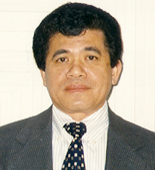 has been practicing law for over 30 years and is included in the Marquis Who’s Who in American Law. A former law editor and professor, he is also the author of a book on immigrant experiences. He has spoken in international and national conventions and has been interviewed on radio and television, including the ABC Nightly News. He has participated in meetings with White House staff and the Immigration Commissioner to discuss immigration reforms. For his community service and advocacy, he has received numerous awards in the U.S. and abroad. For more information, you may log on to his website at www.seguritan.com or call (212) 695-5281